
Niagara Assembly creates and improves industrial workspaces for entrepreneurs, using a network of local hubs to expand education and training opportunities for its regional Membership. NA runs events and exhibits, organizes workshops and courses, and pioneers tools and publications to accelerate regional economies.
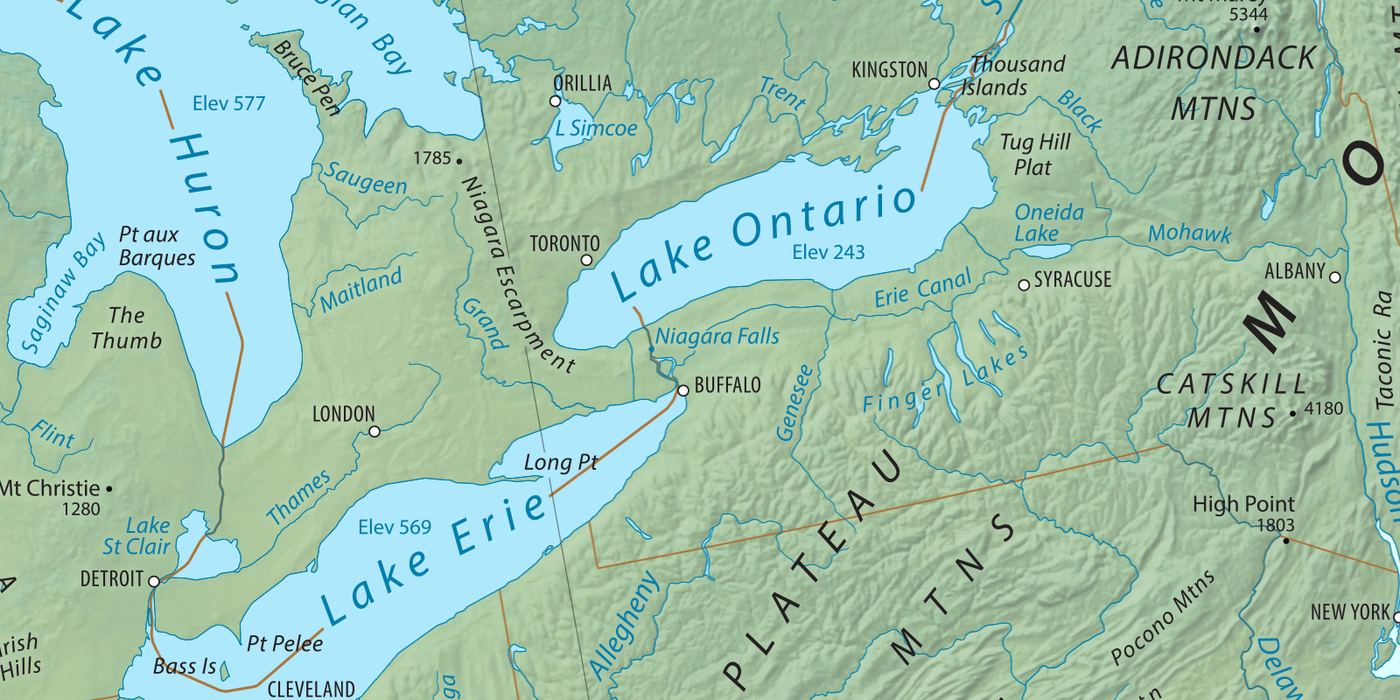
The design and development of industrial products and processes in the Niagara Peninsula is our common goal. Assembling something great takes a world of inputs, and we believe the Niagara Falls area, from Brantford, Ontario to Rochester, New York, is where everything can come together. Follow a desk for regional news.
We are treating Niagara Assembly like an open source project whose operating code is public. The membership model, training plans, research methods and tools are written down so other regions can copy, adapt and improve them. The idea has a long pedigree: Mechanics’ Institutes spread from Glasgow to Hamilton in sixteen years because the model was simple and worth sharing. Today the pressures are new. Education is coming unbundled, robots are moving onto the shop floor and electronics sit at the frontier of every product. Training, information, space and capital are still what a working region needs, and we want to help any region assemble them.
Daily and weekly news about regional industrial economies.
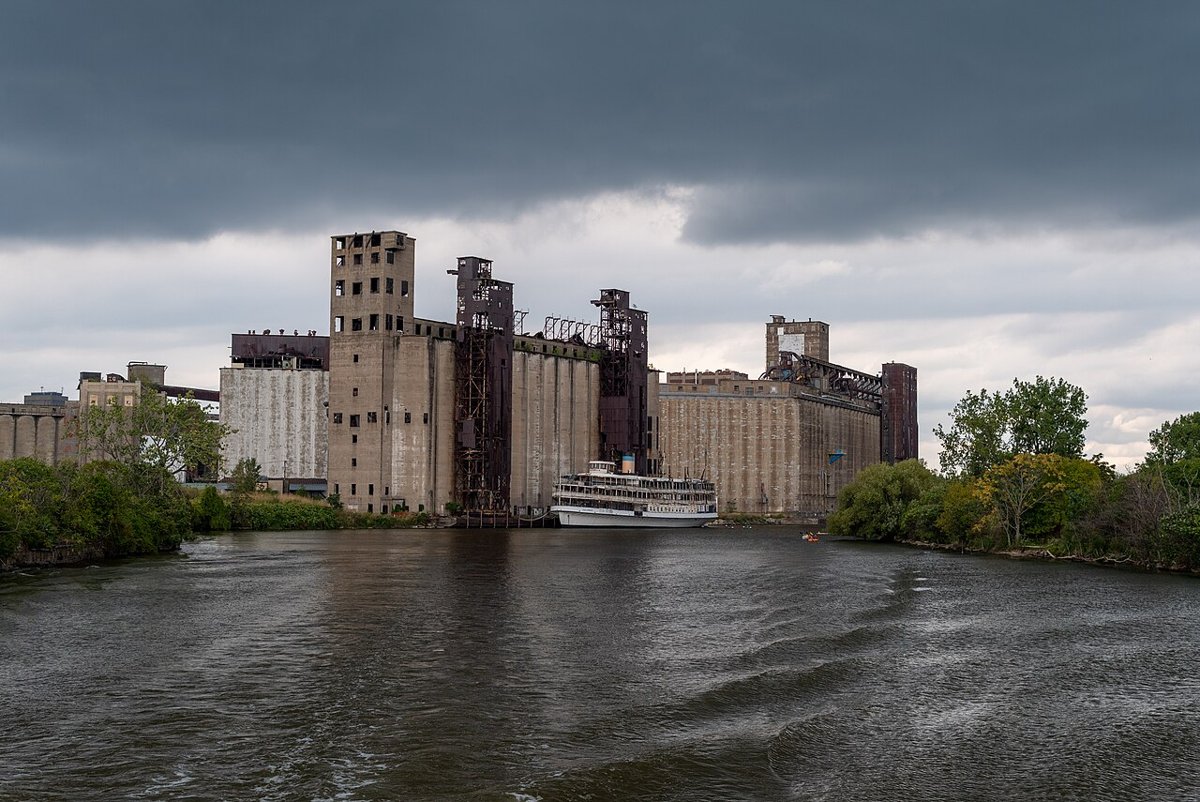
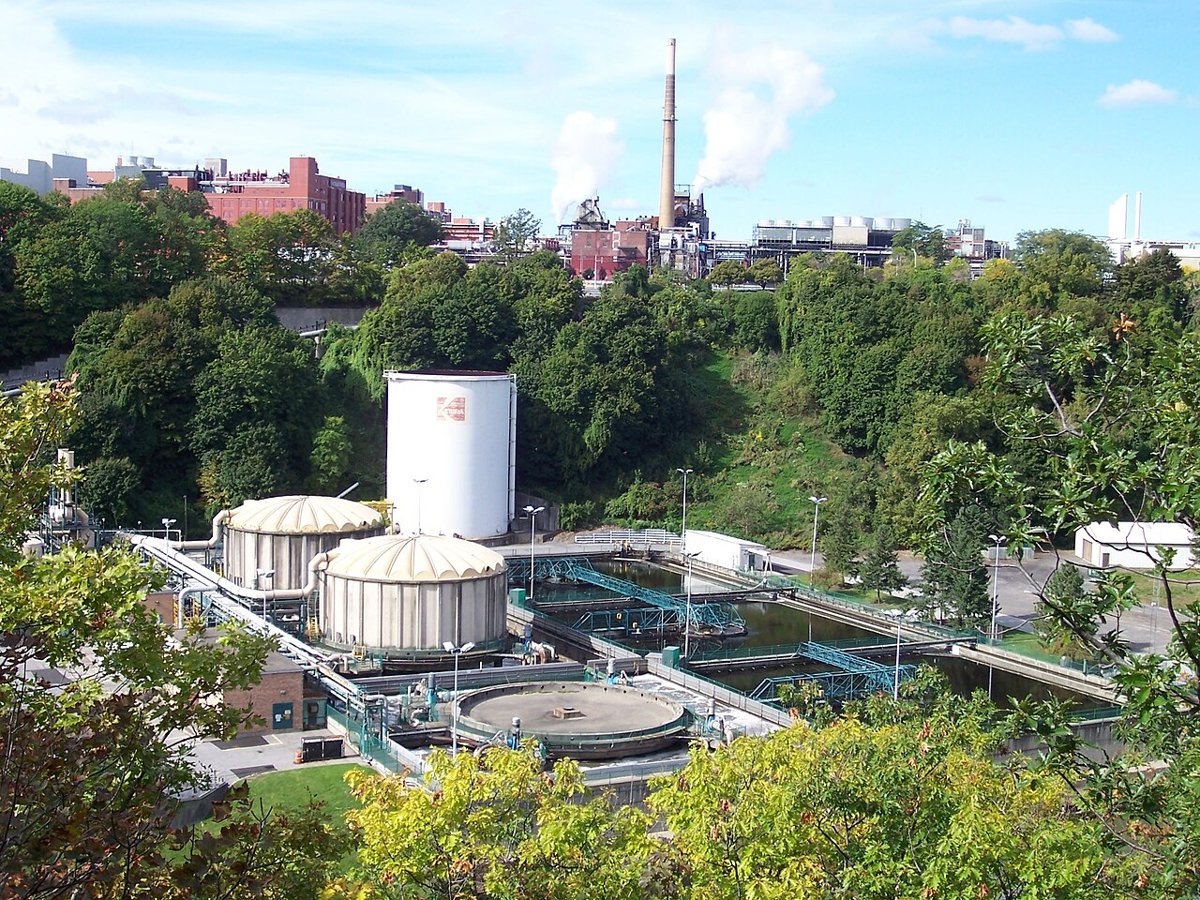
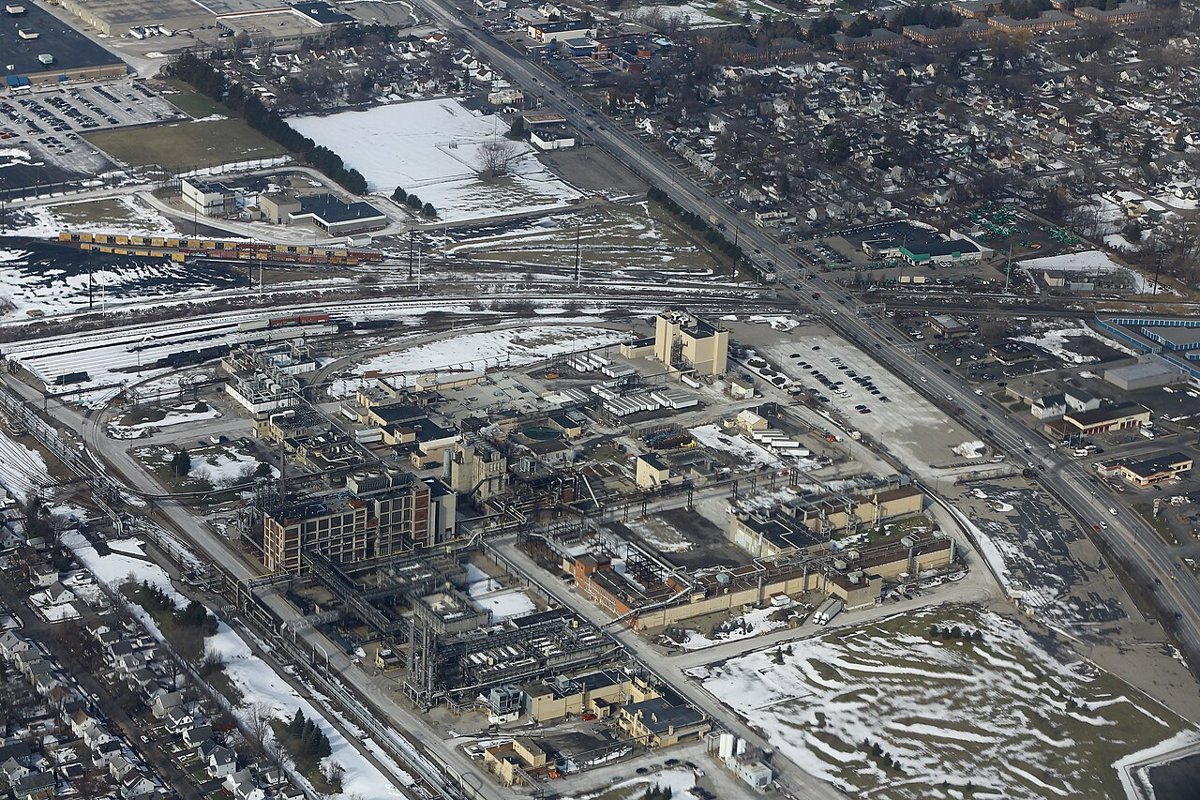
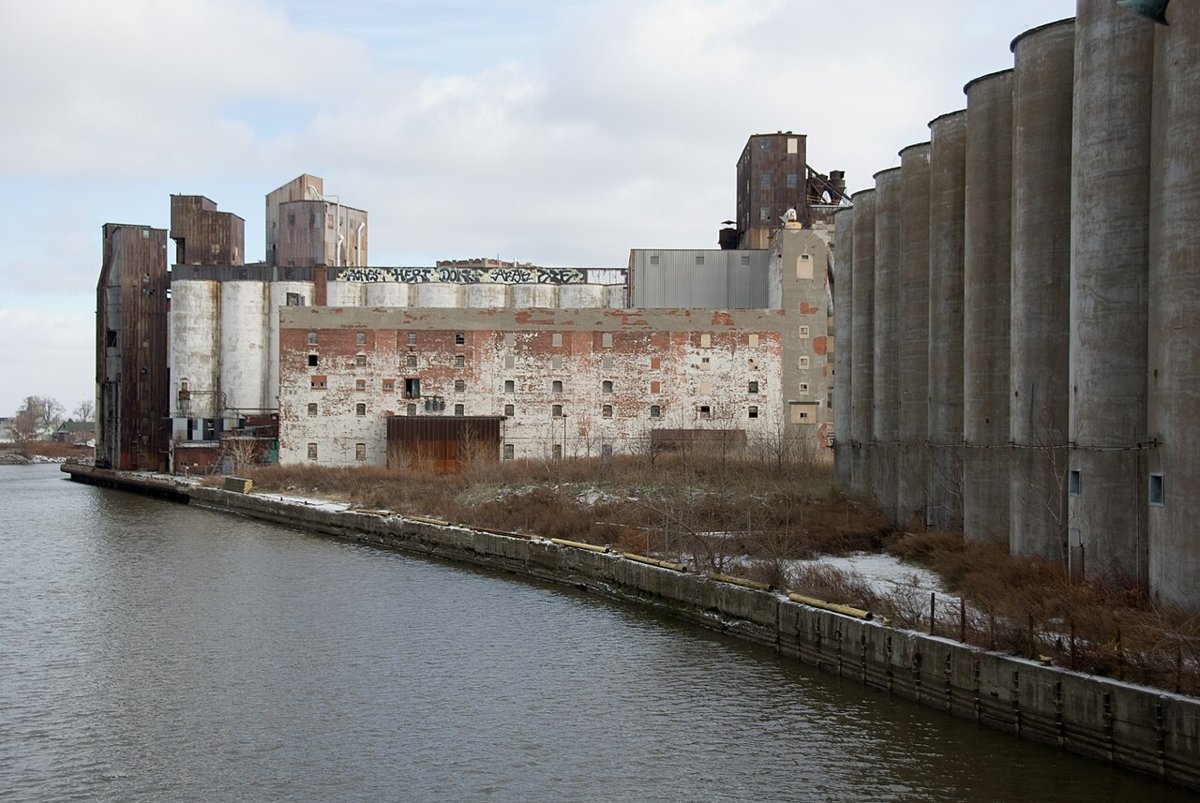
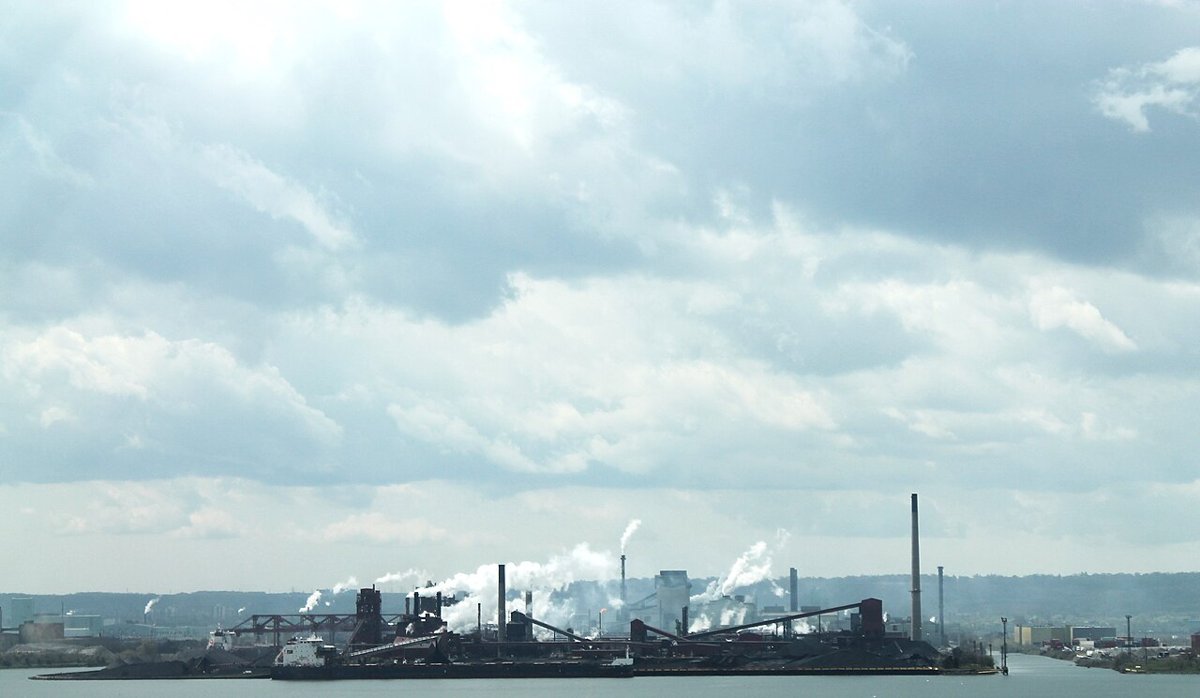
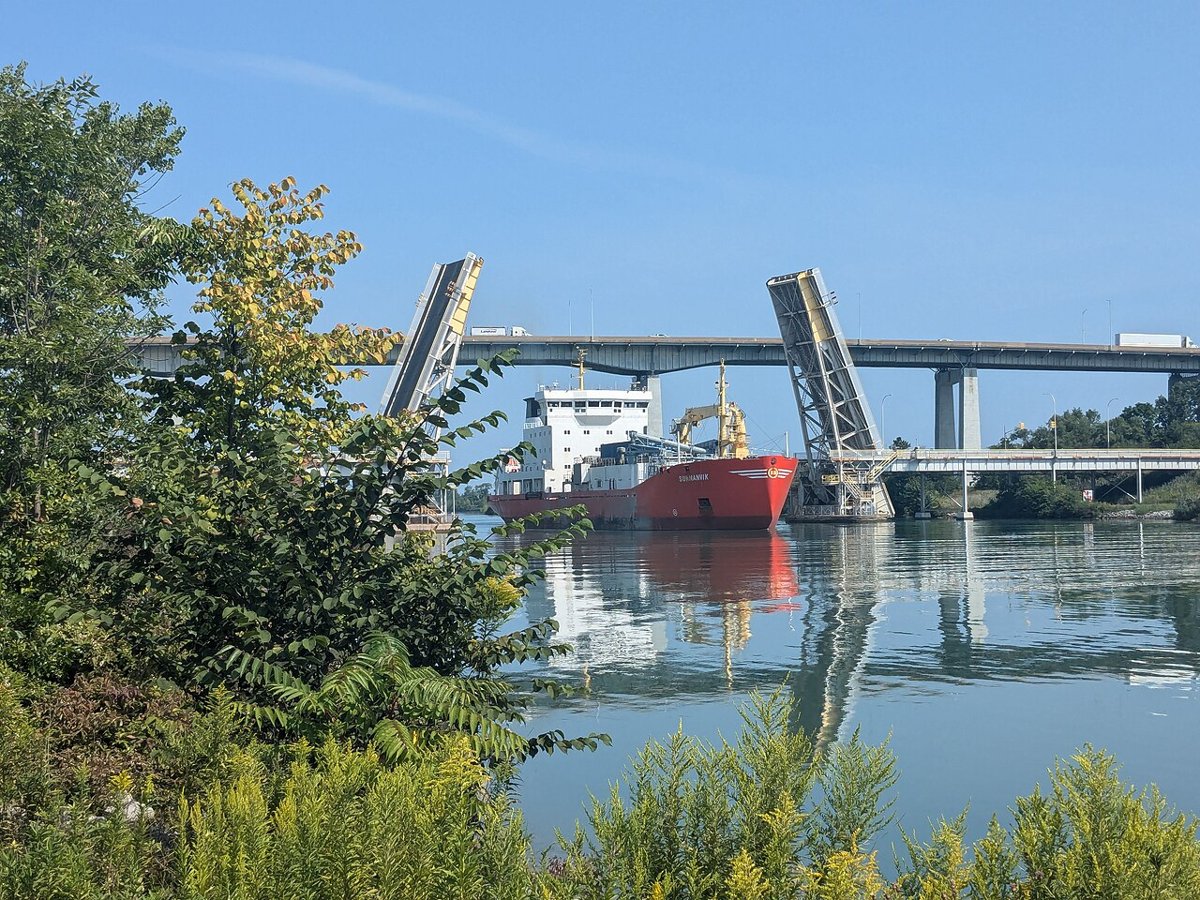
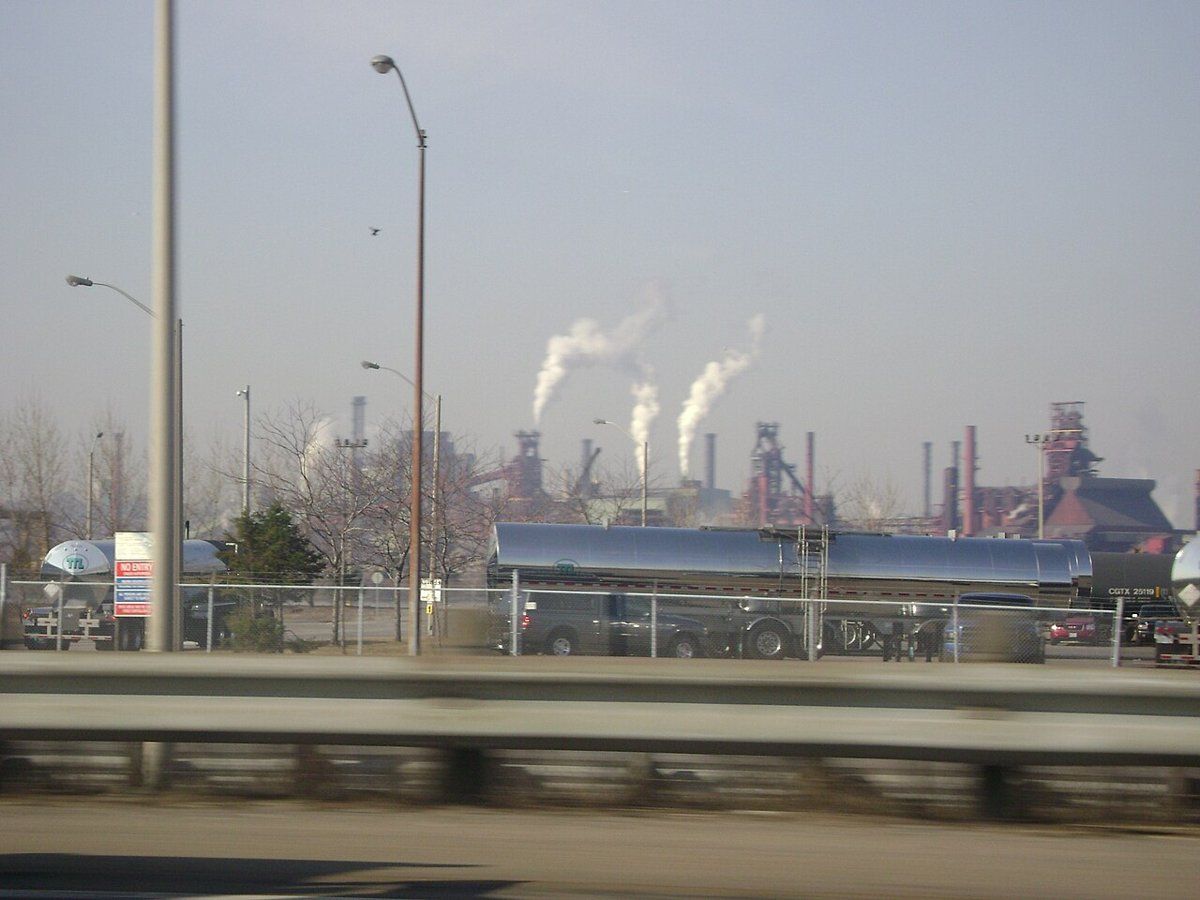
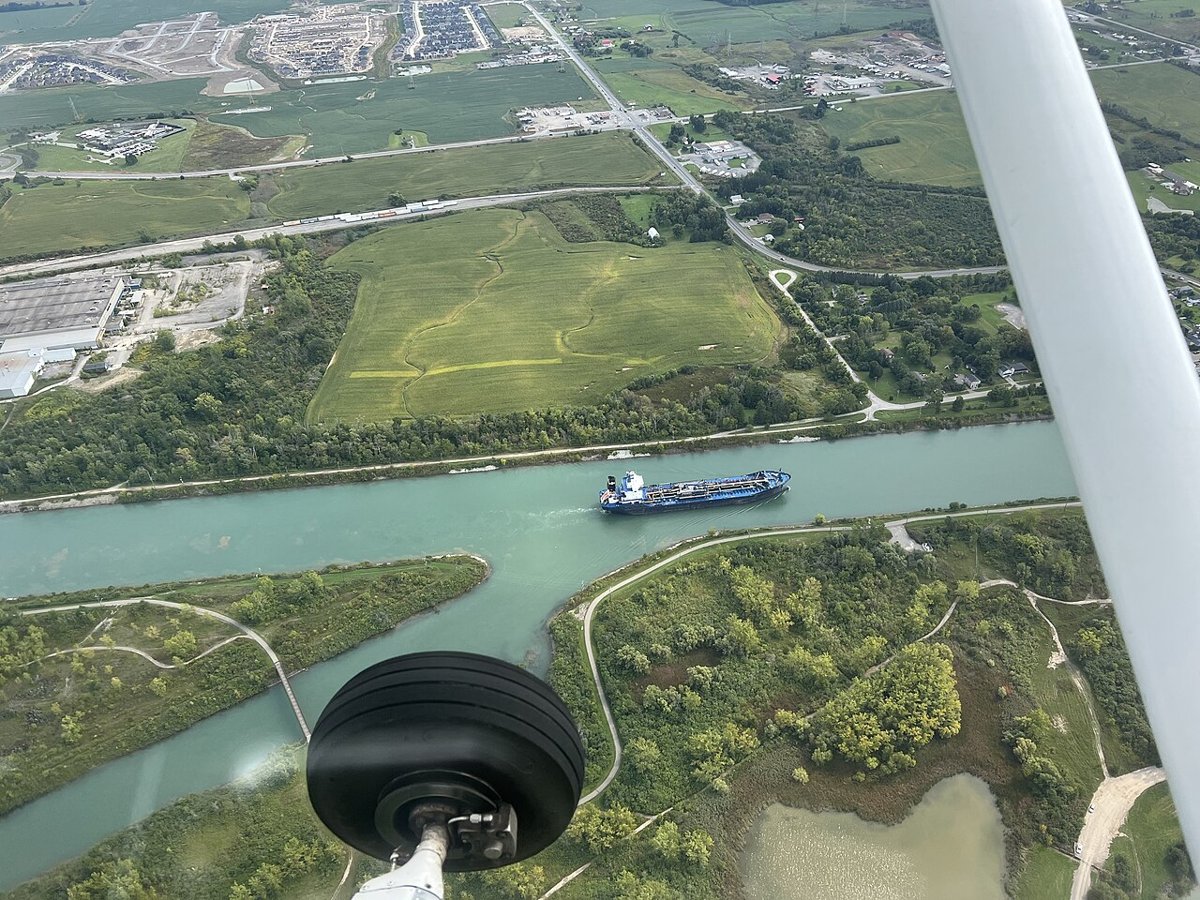
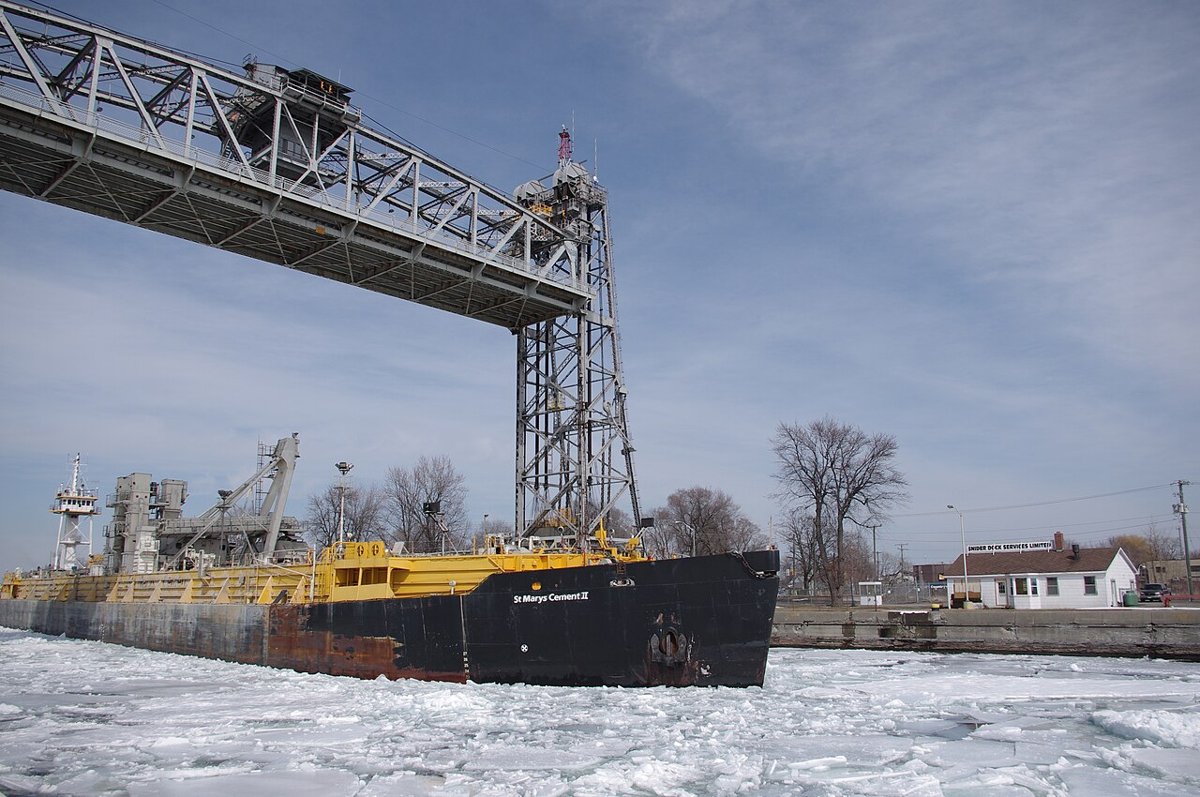
Software we build and run for industry across the region.

Magazines
All magazines ↗Dedicated publishing channels about our activities, services and research.
Services
Explore services ↗Spaces, skills and tools for the people building things. Explore what we’re developing and where you can take part.
Spaces
Somewhere to work, meet, store, sell and run things.
Training
Electronics, manufacturing, Linux, robotics and AI.
Events
Gatherings to learn, show, meet and make.
Tools
The Board, HeavyMap and shared software for industry.
News
Industrial growth and the people who build things.
Grow
An early-stage practice for founders developing their plans.

NA*
We bring entrepreneurs, artists and filmmakers together to tell the stories of industry: the shops and plants where the work happens, and the towns and fields where opportunity is in the air but the work hasn’t arrived yet. Through interviews, profiles, film, exhibits and events, we celebrate the people building locally, and we ask the hard questions about growth. What should we make? Where will people live? What will the jobs be? How does a region adapt as all of it keeps changing?
Got a story? stories@niagaraassembly.com
Electronics
Explore electronics training ↗From the first solder joint to a product ready to build. The linchpin industry.
Electronics brings design, skilled hands and manufacturing together. We’re starting with introductory training under Clark, built around the IPC standards the industry already works to: a few well-chosen courses, with the wider education that helps people understand what happens beyond the bench.
Build it well
Soldering methods, assembly inspection, cable and wire harness work. Our planned starting points are J-STD-001, IPC-A-610 and IPC/WHMA-A-620, depending on what people here need.
See the whole industry
Follow a design through fabrication, assembly and test. Explore components, supply chains, contract manufacturers, alongside the history and emerging technologies shaping the work.
Call for Assistance
We want to build this with certified trainers, established providers, manufacturers, colleges and the makers who will use it. Interested in learning, teaching or hosting? Help shape what comes first. Send email to training@niagaraassembly.com.
Training is in planning. Dates, venues and prices have not been announced. IPC courses will require certified trainers; additional Clark courses carry no IPC credential.
Places
All places ↗Beginning in Hamilton and growing outward: places where we have a presence, and where we want to build relationships.